
-
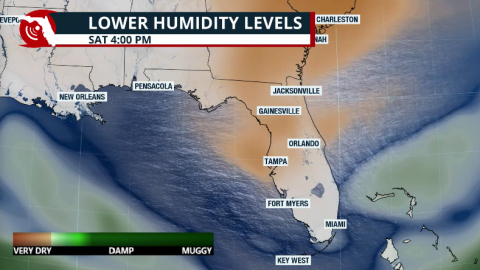 September lows in the 60s are unusual, and some parts of Florida will enjoy a crisp weekend with low chances of rain.
 -
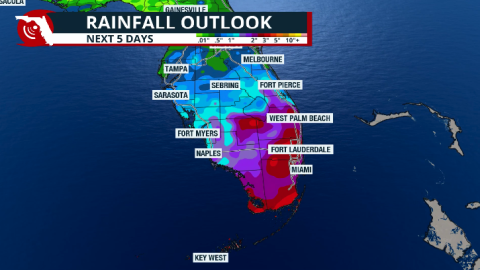 Another 8 inches of rain could fall across South Florida over the next 7 days. The ground is well saturated from recent rains, and more rain could produce flooding.


-
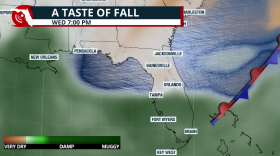 Some will get a taste of autumn this week. Are you ready?
 -
 A stormy but normal weather pattern continues this weekend. Higher-than-normal high tides as the New Moon reigns.
 -
 According to data published by the National Bureau of Economic Research, adverse weather can impact a prospective student's outlook on an educational institution.
 -
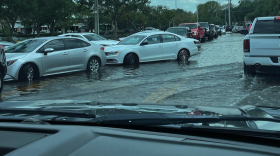 Flash flood risk continues throughout the Labor Day Weekend. Avoid flooded roads.
 -
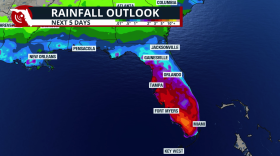 Periods of heavy rain are coming to the Sunshine State. We need the rain, but these amounts could also produce flash floods throughout the rest of the week.
 -
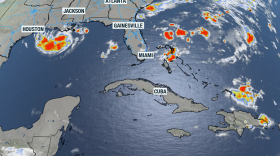 Tropical Storm Edouard has formed along the northern Gulf Coast, bringing the threat of flooding to Texas and Louisiana, while moisture from Dolly targets Florida.
 -
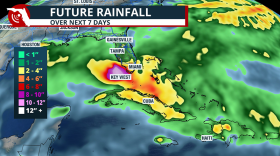 Tropical Storm Dolly formed on Aug. 27 but less than 24 hours later it degenerated into a tropical wave, east of the Caribbean islands.
 -
 A partial lunar eclipse will be visible across Florida late Thursday night into early Friday morning. At its peak, 96% of the Moon will be hidden by Earth's shadow.
 -
 A deadly lightning strike in South Florida serves as a tragic reminder that thunderstorms don’t have to be severe to turn dangerous.
 -
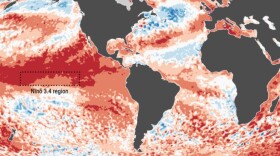 A record El Niño event could help shape Florida’s winter weather by producing wetter conditions and an increased risk of severe weather.


