
-
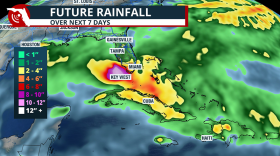
 Florida finally has a meaningful opportunity to put a dent in its drought, but the same prolonged wet pattern that brings drought relief could also bring localized flooding and increasingly rough coastal conditions into next week.
 -
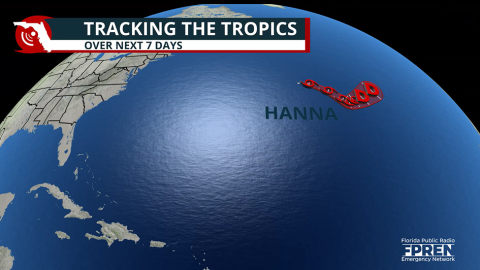 Forecasters were tracking Tropical Storm Hanna in the central Atlantic, but similar to most systems in 2026, it will remain weak and stay clear of land.Forecasters were tracking Tropical Storm Hanna in the central Atlantic, but similar to most systems in 2026, it will remain weak and stay clear of land.


-
 Tropical Storm Fay formed southwest of the Azores in the northeast Atlantic, but there is no direct threat to land.
 -
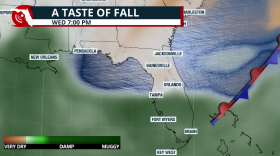 Some will get a taste of autumn this week. Are you ready?
 -
 The National Hurricane Center is monitoring a disturbance in the central Atlantic, but the system poses no threat to the U.S. and faces an uphill climb for development.
 -
 A stormy but normal weather pattern continues this weekend. Higher-than-normal high tides as the New Moon reigns.
 -
 Atlantic hurricane season has reached its climatological peak without producing a single hurricane. A strengthening El Niño is helping suppress development, but Florida’s complicated history shows why a quiet peak is no guarantee of a quiet finish.
 -
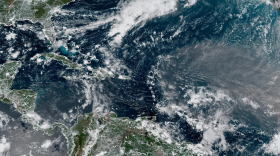 Beyond Sept. 10, six named storms form during an average season, with four becoming hurricanes.
 -
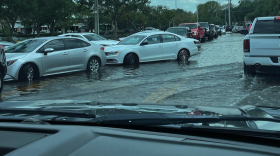 Flash flood risk continues throughout the Labor Day Weekend. Avoid flooded roads.
 -
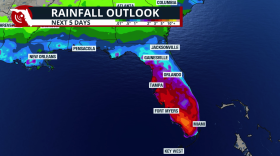 Periods of heavy rain are coming to the Sunshine State. We need the rain, but these amounts could also produce flash floods throughout the rest of the week.
 -
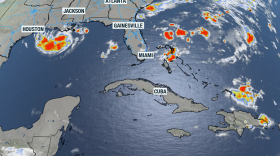 Tropical Storm Edouard has formed along the northern Gulf Coast, bringing the threat of flooding to Texas and Louisiana, while moisture from Dolly targets Florida.
 -
 Tropical Storm Dolly formed on Aug. 27 but less than 24 hours later it degenerated into a tropical wave, east of the Caribbean islands.


