
-
 Florida's coldest air of the season arrives November 13, bringing chilly mornings, breezy afternoons and even a chance of frost in northern areas. But is this statewide cooldown early, late or right on time? Florida Storms meteorologist Leslie Hudson explores Florida's fall temperature history and whether the developing El Niño is playing a role.
-
 NOAAData released by NOAA indicates the current El Niño has reached 'super' status with sea surface temperature anomalies greater than 2.0 °C.


-
 Can wet hair, chilly night air or a sudden Florida cold front really make you sick? Florida Storms meteorologist Leslie Hudson separates cold-weather myths from medical science, including a surprising discovery about how cooler temperatures affect the body's natural defenses.
-
 Florida's 2026 rainy season ended unevenly, leaving some areas drought-stricken despite heavy October downpours. Historic early-November rainfall brought catastrophic flooding to parts of Central Florida, highlighting the state's sharp weather contrasts.
-
 The North American Mesoscale Forecast System (NAM) began running since around 2005. It was replaced by a product known as the Rapid Refresh Forecast System.
-
 A historic November deluge brought at least 22-30 inches of rain to Florida's east coast, with some locations exceeding NOAA's 1-in-1,000-year rainfall thresholds. As a powerful El Niño develops, the extraordinary flooding raises questions about what lies ahead for Florida's normally drier months.
-
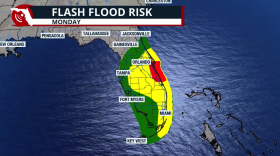 Some areas have already received 3 to 6 inches of rain, others over a foot, and another 1 to 3 inches could fall before conditions gradually improve Tuesday.
-
 Historic king tides sent saltwater surging over seawalls and into south Florida neighborhoods, flooding major roads and bridges. Some of the water levels rivaled some recorded during past hurricanes. The extraordinary flooding exposed growing vulnerabilities along South Florida's coastline.
-
 Halloween weekend will bring a little bit of everything to the Sunshine State, from warm temperatures and occasional sunshine to gusty coastal winds and increasing chances for rain and thunderstorms.
-
 As daylight saving time ends Florida and much of the country will enter what is known as standard time, which results in earlier sunrises and earlier sunsets.
-
 Nor'easters typically occur during the fall and winter months, when cold continental air clashes with warm, moist air from the Gulf and the Atlantic Ocean.
-
 Dangerous surf, rip currents, coastal flooding, beach erosion and strong northeast winds are expected to continue along Florida’s east coast through the week.


