

Andrew Wulfeck
Multimedia MeteorologistAndrew Wulfeck is a seasoned Digital Meteorologist and Content Producer with a robust background in broadcast news and digital strategy. Andrew's experience includes Fox Weather, CNN Newsource and First Coast News. Currently based in Jacksonville, Florida, he produces daily weather content across audio, video and digital platforms.
-
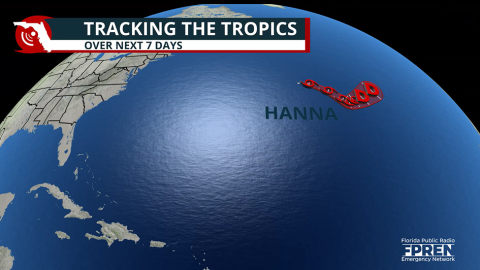 Forecasters were tracking Tropical Storm Hanna in the central Atlantic, but similar to most systems in 2026, it will remain weak and stay clear of land.Forecasters were tracking Tropical Storm Hanna in the central Atlantic, but similar to most systems in 2026, it will remain weak and stay clear of land.
 -
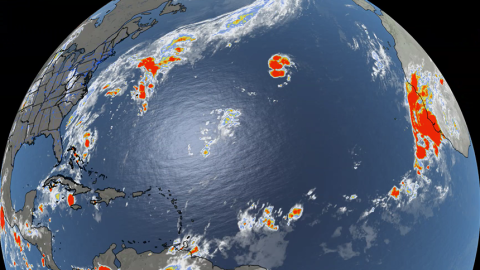 Tropical Storm Gonzalo formed in the far eastern Atlantic near the Cabo Verde Islands, but the cyclone is not expected to become a hurricane.


-
 Beyond Sept. 10, six named storms form during an average season, with four becoming hurricanes.
 -
 According to data published by the National Bureau of Economic Research, adverse weather can impact a prospective student's outlook on an educational institution.
 -
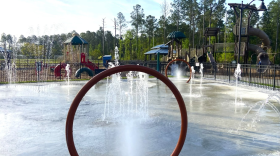 Florida's summer of 2026 was dominated by persistent heat waves and rainfall deficits, especially across South Florida.
 -
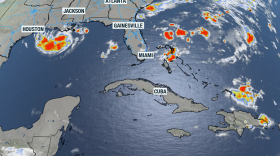 Tropical Storm Edouard has formed along the northern Gulf Coast, bringing the threat of flooding to Texas and Louisiana, while moisture from Dolly targets Florida.
 -
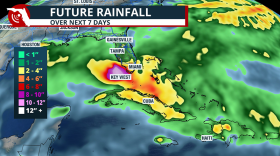 Tropical Storm Dolly formed on Aug. 27 but less than 24 hours later it degenerated into a tropical wave, east of the Caribbean islands.
 -
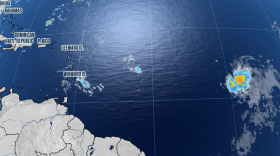 Tropical Storm Dolly formed in the central Atlantic on Thursday but is expected to weaken due to strong wind shear and dry air.
 -
 Invest 96L is slowly moving westward across the Atlantic Ocean with a 70% chance of tropical development over the next week.
 -
 A partial lunar eclipse will be visible across Florida late Thursday night into early Friday morning. At its peak, 96% of the Moon will be hidden by Earth's shadow.
 -
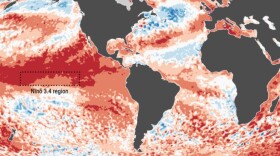 A record El Niño event could help shape Florida’s winter weather by producing wetter conditions and an increased risk of severe weather.
 -
 Health alerts are in effect for several counties in Florida as officials monitor mosquito-borne illnesses after heavy rainfall.


