

Leslie Hudson
Multimedia MeteorologistLeslie Hudson is an experienced Multimedia Journalist and Digital Meteorologist whose career is marked by significant professional milestones. A trailblazer in the industry, she holds the distinction of being the first female AMS meteorologist in the Orlando market. Her extensive background in public safety and emergency management led to her being appointed by Florida’s Governor to the State of Florida’s Hurricane Catastrophic Fund Council from 2002 to 2007. Notably, she was the sole meteorologist in the state selected for this prestigious council.
-
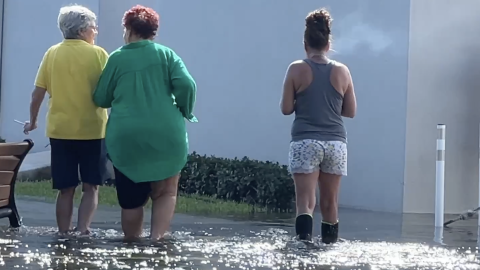 King tides flooded roads, businesses and the Hollywood Beach Broadwalk across South Florida. Here is how the moon, warm water, onshore winds, porous limestone and a strengthening El Niño can combine to make Florida’s seasonal flooding worse.
 -
 Landfall, direct hit, strike and indirect hit describe different relationships between a hurricane and a location — and the terms can overlap. Hurricane Milton shows why the path of the center is only one part of a storm’s story.


-
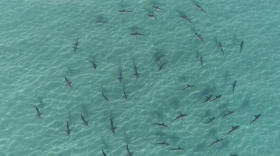 A powerful El Niño can rearrange marine ecosystems, sending sharks and their prey into unfamiliar waters. The biggest changes happen in the Pacific, but the ripple effects can extend far beyond it.
 -
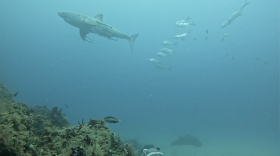 Florida leads the nation in shark bites, but it is not because sharks are hunting humans. We break down how seasonal migrations, tidal currents, and holiday beach crowds create a natural collision course in the water.
 -
 As Florida approaches the unofficial end of summer, we look back at a season marked by relentless heat, record-setting warmth and striking rainfall deficits across much of the state.
 -
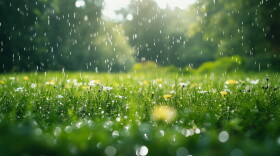 It can pour in one Florida neighborhood while sunshine hangs on just a few streets away. Florida's intense summer heat, sea breezes and highly localized thunderstorms help create some of the most hit-or-miss rainfall imaginable. Here's the science behind why your neighbor may get soaked while your yard stays completely dry.
 -
 Florida's summer heat doesn't always ease when the sun goes down. High humidity, warm surrounding waters, clouds and heat stored in pavement and buildings can keep overnight temperatures elevated—giving both our bodies and our homes less time to cool down.
 -
 Florida's heat and humidity can become especially dangerous for older adults—and some of the biggest risks aren't obvious. Aging can change how efficiently the body sweats, senses thirst and regulates temperature, while common medications and even the temperature inside the home can quietly increase the danger.
 -
 The Midwest might sweat because of its corn, but Florida is a whole different beast. Why the nation's second-largest sweet corn producer doesn't actually have "corn sweat"—and the giant living sponge that makes our summers so sticky instead.
 -
 Florida's summer heat can threaten pets in ways many owners don't realize. From dangerous humidity and scorching pavement to indoor overheating and high-risk breeds, here are five hidden heat dangers every Florida pet owner should know.
 -
 As heat advisories cover much of Florida and students head back to school, parents are thinking about sunscreen and staying cool. But heat illness—not sunburn—is the immediate danger that claims young lives. Here are five hidden heat dangers every Florida parent should know.
 -
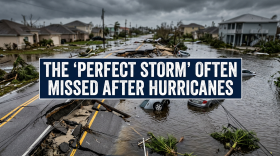 During hurricane season, it's a common misconception that the danger ends when the wind dies down. In reality, the recovery phase is one of the most hazardous periods for Floridians. In this video, we look at why the aftermath can be just as deadly as the landfall itself.


