
-
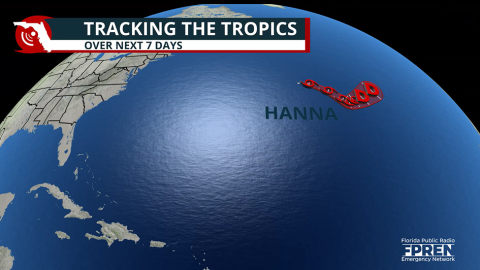 Forecasters were tracking Tropical Storm Hanna in the central Atlantic, but similar to most systems in 2026, it will remain weak and stay clear of land.Forecasters were tracking Tropical Storm Hanna in the central Atlantic, but similar to most systems in 2026, it will remain weak and stay clear of land.
 -
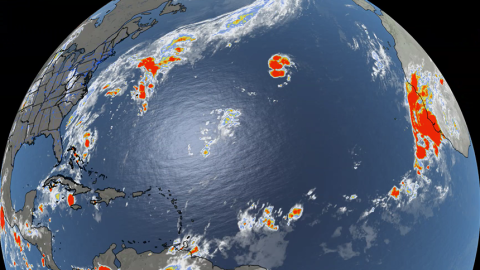 Tropical Storm Gonzalo formed in the far eastern Atlantic near the Cabo Verde Islands, but the cyclone is not expected to become a hurricane.


-
 Tropical Storm Fay formed southwest of the Azores in the northeast Atlantic, but there is no direct threat to land.
 -
 T.D. Six could strengthen enough to become the sixth named storm of the hurricane season. Even so, it will remain well removed from any landmass
 -
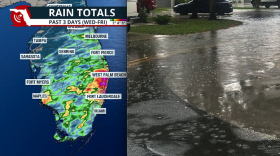 Upper level low pressure will continue to bring several rounds of heavy rains across the southern half of Florida. Flash flooding is possible throughout the weekend.
 -
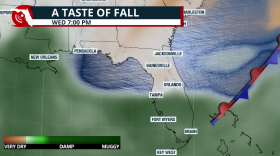 Some will get a taste of autumn this week. Are you ready?
 -
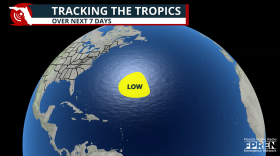 The National Hurricane Center is monitoring a disturbance in the central Atlantic, but the system poses no threat to the U.S. and faces an uphill climb for development.
 -
 A stormy but normal weather pattern continues this weekend. Higher-than-normal high tides as the New Moon reigns.
 -
 The cloudless blue sky of September 11, 2001, became part of America’s collective memory. Twenty-five years later, we examine how weather influenced the World Trade Center dust plume and recovery — and what scientists learned when U.S. air traffic was grounded.
 -
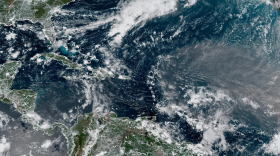 Beyond Sept. 10, six named storms form during an average season, with four becoming hurricanes.
 -
 According to data published by the National Bureau of Economic Research, adverse weather can impact a prospective student's outlook on an educational institution.
 -
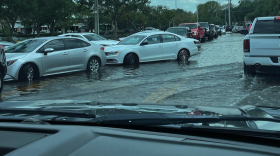 Flash flood risk continues throughout the Labor Day Weekend. Avoid flooded roads.


